Design system
A design system is a shared set of reusable components, design tokens, patterns and guidelines that teams use to build consistent products quickly. It gives designers and engineers a common language, so interfaces look and behave the same across channels and new features do not start from a blank page.
Also called Design systems
In more detail
A design system usually has three layers. Design tokens capture decisions such as colour, type and spacing; components turn those decisions into tested, accessible building blocks such as buttons, forms and navigation; and guidance explains when and how to use them. The same system is typically maintained in code and in design tools, so what designers draw and what engineers ship stay aligned.
The benefit is pace and consistency. Teams reuse components instead of rebuilding them, accessibility fixes made once reach every product, and a brand refresh can be applied by changing tokens rather than editing every screen. It matters most when several teams work in parallel, or when a product spans web and mobile.
A design system is a product in its own right. It needs an owner, a contribution process and clear versioning, or it drifts out of use. Starting small, with the components teams already use most, and growing it alongside real product work tends to work better than building a complete library up front.
Ask about this
Related capabilities
- 01
Product & experience design
At AND Digital, we combine disciplined product management, rapid concept validation, and modern journey design, spanning intuitive web and mobile platforms to intelligent conversational interfaces. Together, we’ll build digital products that drive measurable business outcomes and earn lasting customer loyalty.
- 02
Software development & service
We build software and accelerate your entire Software Development Lifecycle by blending deep human understanding with AI augmentation. Our engineers craft complex software solutions that focus on efficient data processing, scalability, security by design, and seamless third-party integrations.
Related case studies
My Theory Test by James May
How a new app makes learning to drive easier
thinkmoney
How we built a bank

Cancer Research UK
Rapid website migration & optimisation in just 12 weeks
IAG Loyalty
Modernising the Avios mobile app without breaking delivery
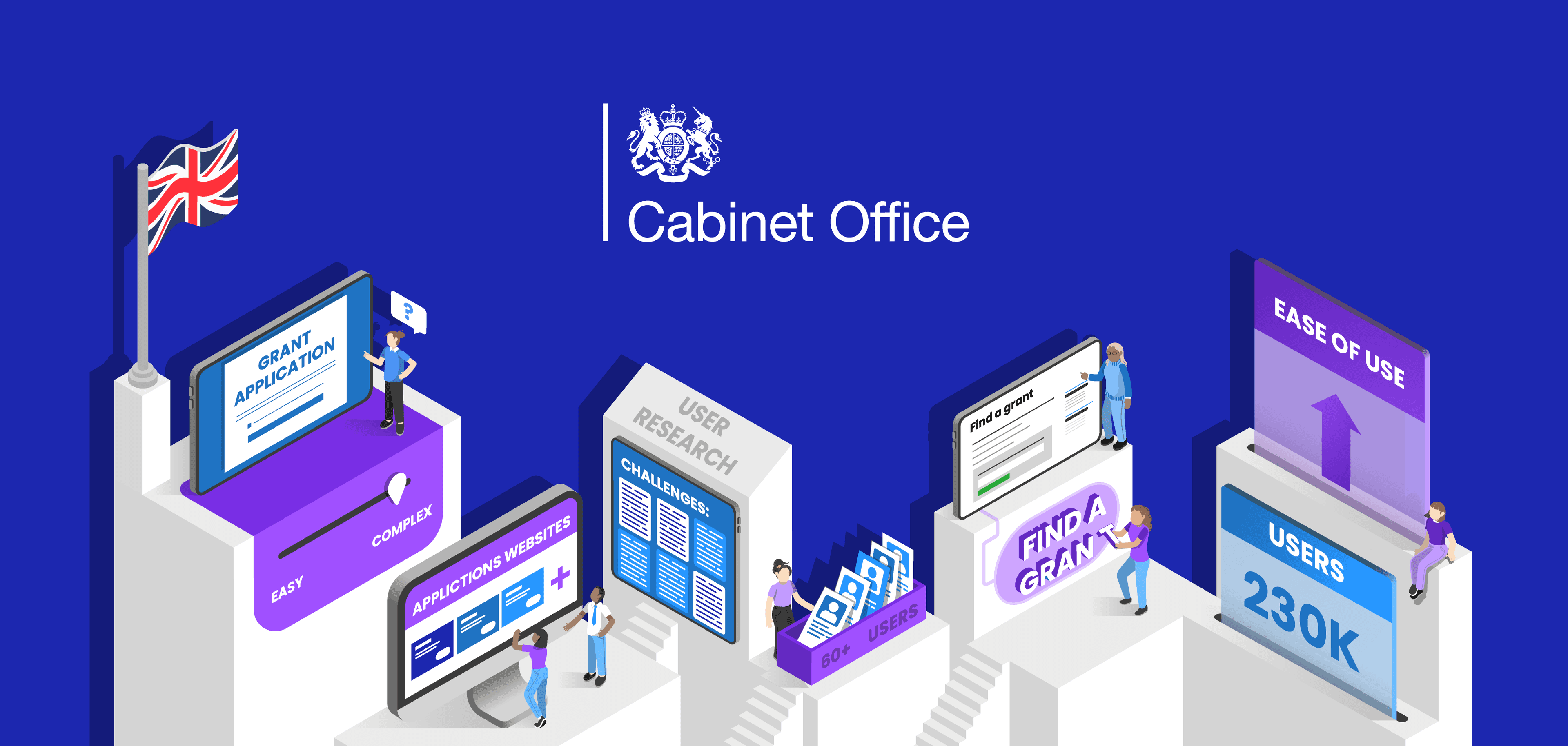
Cabinet Office
Streamlining access to government grants: the 'Find a Grant' service